
مقالات
What Does “Cheap Ammo” Actually Mean for Your Wallet and Your Gun?
Find Budget-Friendly Bulk Ammo Without Sacrificing Quality
Why settle for premium ammunition when cheap ammo can deliver reliable performance for everyday practice? Affordable rounds are simply factory-loaded cartridges made with cost-effective components, offering you the same caliber and function at a fraction of the price. By choosing budget-friendly options, you can spend more time at the range honing your accuracy without stretching your wallet. Focus on bulk purchases or remanufactured loads, but always test a small box first to confirm they cycle smoothly in your firearm.
What Does “Cheap Ammo” Actually Mean for Your Wallet and Your Gun?
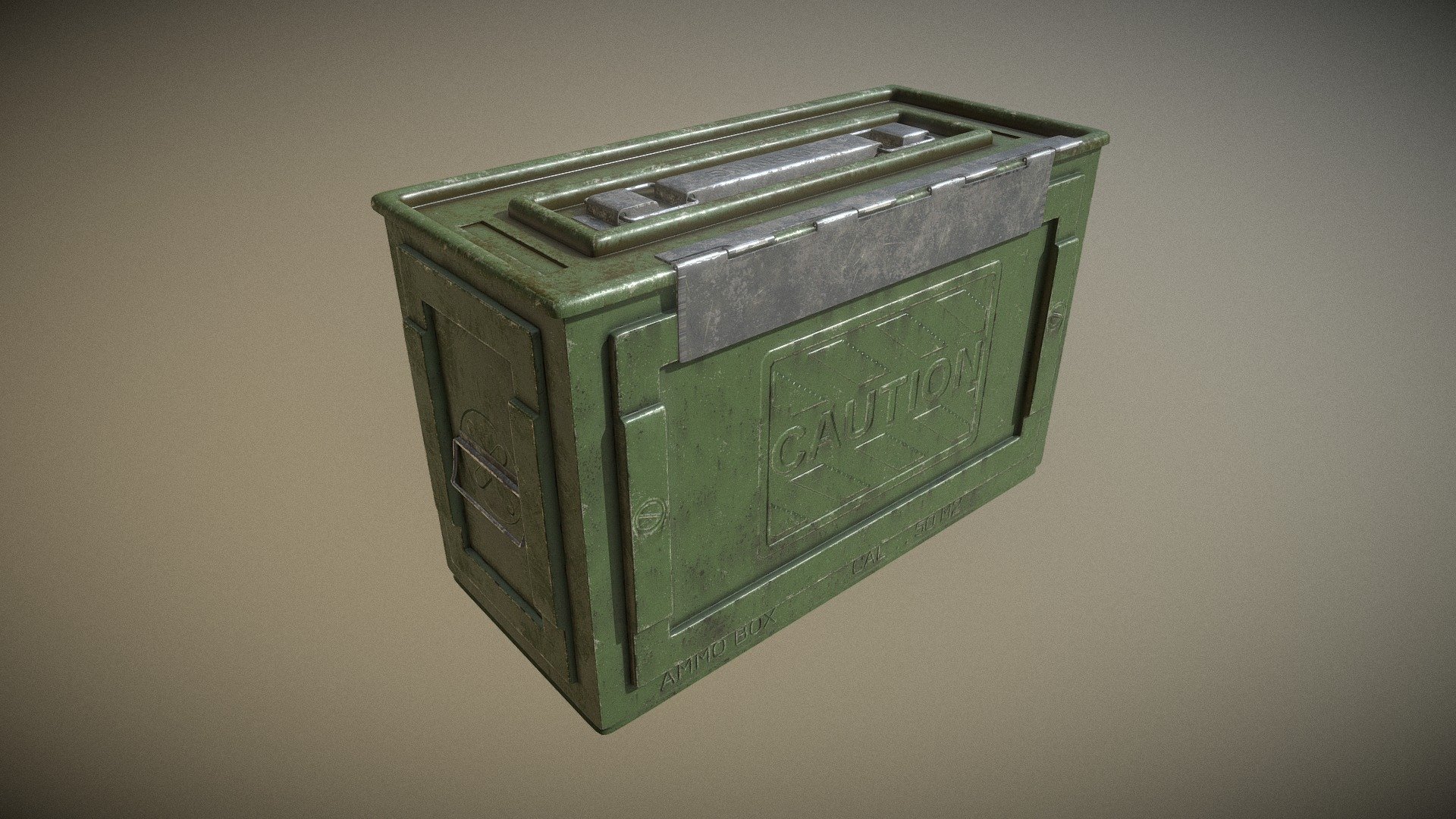
“Cheap ammo” usually means lower upfront cost per round, but your wallet’s true bottom line includes reliability and barrel life. Bargain rounds often use steel casings or light primer strikes, which can cause failures to feed or eject—wasting range time and potentially damaging extractors. Cheaper powder burns dirtier, accelerating carbon fouling that requires aggressive cleaning, and some budget loads run inconsistent velocities, harming accuracy and making zeroing frustrating. For your gun, the real risk is overpressure signs from sloppy manufacturing; sticky extraction or flattened primers are red flags you must inspect after every box. A $10 saving per 100 rounds can cost $150 in replacement springs or a chamber polish. Meanwhile, your wallet suffers from double the cleaning solvents and replacement parts. The pragmatic rule: test a small box before bulk-buying any budget brand, and only run it through guns you accept may need earlier maintenance. Reliable function beats a few cents saved per trigger pull.
Why Lower Price Tags Don’t Automatically Equal Lower Quality
A lower price tag often reflects streamlined manufacturing, bulk material purchasing, or minimal marketing overhead—not necessarily inferior components. Many budget-friendly rounds use the same brass, primers, and projectiles as premium brands, just without the fancy packaging or aggressive advertising. The real difference frequently lies in quality control consistency, not baseline safety or reliability. A cheap box might group slightly wider at 100 yards, but for plinking or defensive practice inside 25 yards, that variance rarely matters. Price-per-round is a weak proxy for performance when the cartridge specifications remain identical. Q: Does cheap ammo mean weaker powder charges? A: Not usually—powder weights are regulated by pressure standards, so even budget loads stay within safe, functional parameters for your firearm.
Brass vs. Steel vs. Aluminum: Which Budget Casing Saves You More?
When pinching pennies on cheap ammo, casing metal dictates long-term cost. Brass casings cost more upfront but remain reloadable, lowering per-shot expense over multiple firings—provided you save them. Steel casings, typically polymer-coated, are cheapest initially and non-reloadable; they also wear extractors faster and can stick in chambers during rapid fire. Aluminum splits the difference—lighter, slightly pricier than steel, but non-reloadable and prone to expansion issues in tight chambers, making them a poor choice for suppressed or finicky guns. For pure shooter economics, .32 ACP Ammo for Sale steel wins if you never reload or shoot sporadically; brass wins for high-volume reloaders. Aluminum only saves money if you find it deeply discounted, yet offers no ballistic advantage.
Steel saves immediate cash, brass saves over time if you reload, and aluminum rarely justifies its middle cost due to poor reusability and fit issues.
Understanding Remanufactured Rounds vs. Factory New Bargains
Remanufactured rounds are once-fired brass that gets inspected, resized, and reloaded, often selling 20–30% below factory new. The catch is consistency: pull one bullet from a box and you might find mixed headstamps or slightly shorter case lengths, which can alter pressure in your chamber. Factory new bargains, by contrast, https://specialtysportsandsupplyltd.com/ are virgin cases sold at a discount due to bulk production or older lots—they lack the hidden wear of remanufactured brass. For a defensive gun, always test a full magazine of either type before trusting it, but for range plinking, remanufactured saves real money. The key is checking for bulged primers or split necks after firing, as those signal an overworked case. Choosing between remanufactured and factory new ammo hinges on whether you prioritize lowest cost per round or maximum case integrity for extraction reliability.
Remanufactured rounds maximize savings but demand close inspection; factory new bargains cost slightly more yet offer predictable brass for consistent feeding and resizing.

How to Spot the Best Deals Without Sacrificing Reliability at the Range
Start by comparing price per round across reputable online vendors, then cross-check lot-specific reviews on forums for failures like primer strikes or squibs. Stick to brass-cased ammunition from established makers, even when discounted, as steel or aluminum cases often cause extraction issues in tighter chambers. Buy in bulk only after testing a single box in your firearm; if it cycles cleanly across 50 rounds, the lot is likely sound. Reliability beats raw savings when malfunctions cost you range time and potential damage. Q: How do you verify a cheap deal is safe? A: Check the headstamp for a known manufacturer and search that exact lot number for user-reported misfires before committing to a case.

Where to Hunt for Discounted Bulk Boxes Online and In-Store
Start your hunt online at **discounted bulk boxes** from major retailers like Target Sports USA and SG Ammo, which frequently run free-shipping events on cases. For in-store scores, check big-box chains like Bass Pro Shops or Cabela’s on weekday mornings, when they restock clearance pallets with opened or overstocked bulk flats. Don’t skip local farm-supply stores—they often price 500-round boxes below online rates to move inventory fast. Also, set price alerts on WikiArms or AmmoSeek to catch flash sales from smaller dealers like Outdoor Limited, and always compare per-round cost against shipping fees before committing.
How to Read Price Per Round and Avoid Hidden Shipping Costs
Don’t just glance at the sticker price—divide the total case cost by the round count to get the true price per round, then compare that number across vendors. A “bargain” box often hides brutal shipping fees, so always add the freight charge to your cart before celebrating. Look for flat-rate shipping thresholds, which can slash per-round costs when you bundle bulk cases. Also, watch for “handling” surcharges on heavy ammo; those quietly inflate the final total. Finally, confirm if the retailer charges tax separately—that can tip a so-called deal into overpriced territory.
Always calculate price per round with shipping and taxes included; otherwise, the cheapest ad can be the costliest order.
When Buying in Bulk Actually Pays Off (And When It Backfires)
Buying bulk ammo pays off when you’ve already tested that exact lot in your firearm and the per-round savings exceed 15% versus boxes. Stock up on bulk ammo for high-volume practice only if you shoot consistently—stored properly, ammo lasts years, but a dusty closet with temperature swings invites corrosion. It backfires when you chase a deal on an unfamiliar brand; a jammed slide during a timed drill costs more than the savings. For a clear sequence: verify lot consistency, calculate true cost per round with shipping, then buy no more than a six-month supply. A pallet of cheap rounds you can’t reliably feed is just an expensive paperweight.
- Test a single box from the batch first.
- Compare cost-per-round against your current baseline.
- Rotate stock so older rounds get used first.
Getting the Most Accuracy and Performance Out of Budget-Friendly Loads
Getting real accuracy from budget-friendly loads starts with sorting by bullet weight consistency, since cheap ammo often varies a few grains between rounds. Weigh a sample box and group identical weights—this alone tightens groups more than any optic upgrade. Chronograph testing is your next move; cheap powder charges drift, so log velocity spreads and note which lot numbers shoot fastest. Clean your barrel every 50 rounds when shooting bargain jacketed bullets, because copper fouling builds unevenly and wrecks precision. Also, try different bullet shapes—flat-base cheap loads often outshoot boat-tails at 100 yards. Finally, don’t fight the ammo’s preferred seating depth; adjust your overall length in tiny increments until the practical accuracy zone appears. These steps squeeze near-match performance from what you already have, no premium prices needed.
Which Calibers and Grain Weights Give You the Most Bang for Your Buck
For sheer value, .223 Remington/5.56 NATO with 55-grain full metal jacket rounds remains the undisputed king of cheap accuracy, as these lightweight projectiles stabilize well in standard 1:12 to 1:9 twist barrels and offer flat trajectories without premium costs. In 9mm, a 115-grain FMJ typically delivers the tightest groups at 25 yards for the lowest price per round, outperforming heavier 147-grain subsonics that demand more powder and cost. For hunting on a budget, .308 Winchester in 147–150 grain surplus or bulk soft points provides exceptional terminal performance and repeatable precision at 100–200 yards, beating lighter varmint calibers for utility. Avoid boutique grain weights like 77-grain match rounds, which double the price without guaranteeing better 6.5x57R Ammo for Sale practical accuracy from factory barrels.
- Stick to common 55-grain .223 and 115-grain 9mm FMJs; they are mass-produced, hence cheapest and most consistent.
- Match grain weight to your barrel 6.8 SPC Ammo for Sale twist rate (e.g., 62-grain only if 1:7 twist) to prevent keyholing and wasted ammo.
- Choose 150-grain .308 for both paper and medium game—one load covers multiple tasks, maximizing value per box.
- Test 3–5 different grain weights per caliber; the most accurate cheap load varies by rifle, so buy one box of each before bulk purchasing.
Simple Tips for Testing Cheap Rounds to Find What Your Firearm Likes
Start by buying a single box of three or four budget brands, not a case, to keep initial costs minimal. Shoot five-round groups at a fixed distance, like 50 yards, from a rested position to isolate the ammunition’s consistency. Record group sizes and point-of-impact shifts on a simple target log, then repeat each brand twice to confirm results—one tight group can be luck. Pay attention to cycling reliability, especially in semi-autos, since a cheap round that jams is useless despite accuracy. Focus on finding your firearm’s preferred cheap round by testing the same bullet weight first, then compare similar loads from different makers. Finally, test only during stable weather, as wind and temperature can skew data.
Q: How many rounds per brand should I fire to identify a winner?
A: Fire at least ten rounds per brand—two five-shot groups—to balance cost and statistical confidence, but avoid judging on fewer than ten shots.
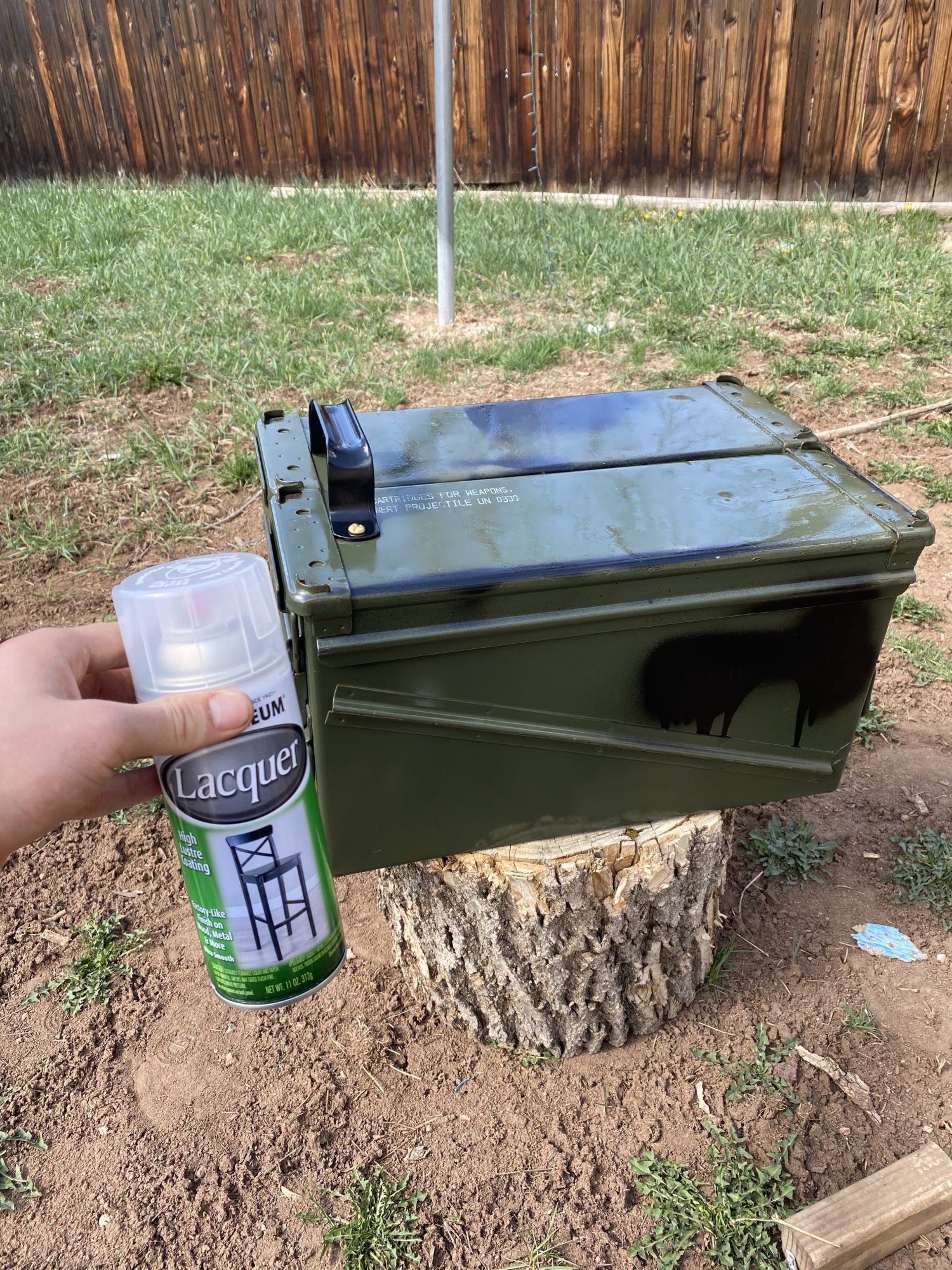
How to Store Discounted Ammo So It Stays Fresh for Years
Buying cheap ammo in bulk only pays off if you keep it shootable, so start by tossing those cardboard boxes. Move rounds into airtight, moisture-proof ammo cans with a desiccant pack inside to stop humidity from corroding primers. Temperature swings are the sneaky killer, so aim for a cool, stable closet or basement corner rather than a hot garage. Follow this quick routine:
- Wipe off any surface oil or dirt with a dry cloth before sealing.
- Drop in a silica gel packet or two, replacing them every six months.
- Label the can with purchase date and lot number, then lock .35 Remington Ammo for Sale it shut.
- Rotate your stock—shoot the oldest first so nothing sits past its prime.
Stored this way, even bargain rounds stay fresh and consistent for years, keeping every shot as accurate as the day you bought them.
Common Mistakes New Shooters Make When Stocking Up on Bargain Ammo
New shooters often grab the cheapest bulk box without checking if .338 Lapua Ammo for Sale it cycles their specific firearm, then blame the gun when failures pile up. Another common mistake is ignoring lot numbers—a bargain batch can vary wildly in pressure and accuracy, so mixing old and new stock ruins zero consistency. Many also overbuy past their actual training pace, locking cash into ammo that corrodes in humid storage. Test a single box before committing to a case. Ask yourself: “Does this cheap load group tightly in my pistol or rifle, and does it feed every time?” If either fails, the savings vanish in frustration and wasted range time. Stick to reputable budget brands, avoid unknown surplus, and always inspect primers and case mouths for damage before stacking deep.
Ignoring the Difference Between Plinking Rounds and Self-Defense Loads
Grabbing the cheapest FMJ on the shelf for your carry gun is a critical error in judgment. Plinking rounds use thinner jackets and softer primers, which can cause malfunctions or squib loads exactly when you need reliability most. Your self-defense loads retain terminal performance, but bargain hunting often leads to undersized charges that fail to cycle the slide. The target ammo you train with does not mimic the recoil impulse of defensive hollow points, so your muscle memory will be wrong under stress. Trust only proven defensive ammunition for carry, and save the budget for the range.
- Plinking rounds can under-penetrate clothing, failing to reach vital organs.
- Cheap FMJ lacks the expansion needed to stop a threat efficiently.
- Reliability testing with bargain ammo does not guarantee Ammunition for Sale defensive primers ignite consistently.
Why You Shouldn’t Mix an Old Batch of Budget Cartridges with New Ones
Mixing an old batch of budget cartridges with new ones introduces unpredictable variables into your shooting session, not just minor inconsistencies. Budget ammo often has looser manufacturing tolerances, meaning an older lot may have slightly different powder charges, bullet seating depths, or primer sensitivity that can 6.5×55 Swedish Ammo for Sale cause erratic pressure spikes when fired alongside newer rounds. This creates a dangerous scenario where your point of aim shifts dramatically, and you cannot diagnose whether an accuracy issue stems from your firearm or the ammunition blend. Crucially, mixed-lot budget ammunition compromises your ballistic consistency because older rounds may have degraded powder or corroded primers, leading to hang-fires or squibs that are masked by the presence of fresh cartridges. Always shoot one lot to completion before opening another box, preserving your ability to predict performance and avoid a catastrophic failure. Treat old batches as separate entities, never as filler.
How to Check for Damaged or Dented Cases Before You Shoot Them
When buying bargain ammo, inspect each round’s case before loading. Hold it under a bright light, rotating the brass to catch dents near the case mouth or shoulder, which can cause feeding failures or pressure spikes. Run your thumbnail along the rim and extractor groove—any sharp burr or deep nick signals a risk. Drop the cartridge on a hard surface: a dull thud indicates internal damage, while a crisp ring means the case is sound. For reloaded or surplus lots, check the primer pocket for signs of reaming or loose fit. Never assume a box’s cardboard exterior reflects the integrity of every round inside.
Always visually scan and tactilely test each case for mouth dents, shoulder creases, rim burrs, and primer anomalies before chambering any bargain round.
Your Quick-Start Checklist to Buying Affordable Firepower for Practice
Your quick-start checklist to buying affordable firepower for practice starts with locking in a budget per round, not per box—that number decides everything else. Focus on cheap ammo that’s steel-cased or aluminum-cased, since those drop cost without ruining your routine. Buy in bulk only when the price-per-round beats your local big-box store by .32 Win Special Ammo for Sale 20% or more, and always compare shipping fees before you click. Stick to 9mm or .223 for the widest selection of budget loads, and verify the primer is non-corrosive to protect your barrel. Finally, test one small box first—your gun might hate the cheap stuff—then grab your affordable firepower for practice in cases once you know it cycles cleanly.
What to Bring and What to Look For When You Inspect a Deal
When inspecting a cheap ammo deal, bring a caliper to measure cartridge overall length and a magnet to spot 6.5x57mm Mauser Ammo for Sale steel-jacketed projectiles, plus your phone to quickly verify lot numbers online. Look for corroded primers, split necks, or dents that indicate poor handling, and confirm the box’s seal isn’t broken. Examine the headstamp for consistency—mixed headstamps signal reloads, not factory seconds. For bulk-packed ammo, shake the bag and listen for loose powder. Check the lot code on every box to ensure identical pressure and velocity behavior across your purchase.
- Bring a caliper, magnet, and lot-code lookup tool.
- Inspect primers for dimples or rust spots.
- Verify no splits or crimp irregularities on case mouths.
- Confirm headstamp uniformity before committing to bulk.
Building a Budget Ammo Rotation: From Target Practice to Backup Supplies
Start your rotation by dedicating the cheapest bulk rounds you find—often steel-cased or rebate-driven boxes—strictly to range drills, burning through them without guilt. From each purchase, set aside 10% of those rounds unopened; label them “backup” and store them in a dry ammo can. As your stash grows, rotate chronologically: shoot the oldest practice rounds first, pushing newer ones into the reserve pile. This keeps your defensive or hunting ammunition untouched while your practice stock stays fresh. A three-tier rotation system—practice, partial reserve, and full backup—prevents waste and ensures you always have functional rounds when restocking is delayed.
Build a rotation by buying cheap in bulk, reserving a fraction unshot, and cycling oldest-to-newest so practice never drains your emergency supply.
Easy Ways to Track Your Savings and Your Shot Count Over Time
To maximize your budget, pair every bulk ammo purchase with a dedicated tracking method. A simple spreadsheet column for “cost per round” lets you instantly see savings versus retail, while a separate row for rounds fired prevents wasteful training gaps. For shot counting, use a cheap mechanical tally counter clipped to your range bag—click after each magazine—and log totals monthly. Alternatively, many smart targets and phone apps sync shot frequency, but manual logs often prove more reliable for budget analysis. Tracking savings per hundred rounds against your practice volume reveals exactly when buying 500-count cases beats multiple boxes. Review these numbers quarterly to adjust purchasing habits, ensuring your firepower spending stays lean without sacrificing trigger time.