
مقالات
Why Buying Ammunition in Large Quantities Saves You More Than Just Money
Buy Bulk Ammo Online in Bulk and Never Run Dry Again
When a weekend shooter finishes a box of 9mm at the range, they often turn to bulk ammo online to replenish their supply without repeated trips to a local store. This purchasing method involves ordering large quantities—such as 500 or 1,000 rounds—directly from a retailer’s website, with the order shipped to your door in sealed cases. The main benefits are lower per-round costs due to volume pricing and the convenience of having a steady stock ready for .17 WSM Ammo for Sale practice sessions or storage. To use it, simply compare per-round prices across trusted sites, choose your caliber and quantity, and check shipping times before completing checkout.
Why Buying Ammunition in Large Quantities Saves You More Than Just Money
When you stock up through bulk ammo online, the true payoff isn’t just the lower per-round price—it’s the freedom from last-minute panic runs. Imagine a Saturday morning at the range: instead of rationing your last fifty rounds because the local shop is closed, you grab another case from the stash you ordered months ago. That consistency turns practice into muscle memory, not a budgeting puzzle. Bulk ammo online also shields you from sporadic shortages; one large order guarantees your training rhythm stays unbroken, so your skill progression doesn’t stall waiting for a restock. You also save trips—fuel, time, and impulse buys at the counter vanish. Each click to order bigger means you’re investing in reliability, not just inventory. The real saving is peace of mind, knowing your next session is already paid for.
How Per-Round Costs Drop When You Purchase by the Case
When you switch from individual boxes to full cases when buying bulk ammo online, the price per round drops immediately because manufacturers and retailers price in volume breaks—a case of 500 or 1,000 rounds typically shaves 10–20% off the per-cartridge cost versus buying twenty separate boxes. This happens because case orders reduce the seller’s handling, packing, and shipping overhead per unit, and they pass those savings directly to you. Instead of paying for repeated small-box packaging and multiple shipping fees, one flat-rate case shipment spreads logistics across hundreds of rounds. Over a year of regular range sessions, that cost-per-round reduction adds up to hundreds of dollars saved without changing your shooting habits.
Q: How does the per-round cost drop when you buy a full case?
A: The per-round cost drops because bulk pricing tiers kick in at case quantities, and you avoid the premium added to small-box retail markup, making each cartridge measurably cheaper than box-by-box purchases.
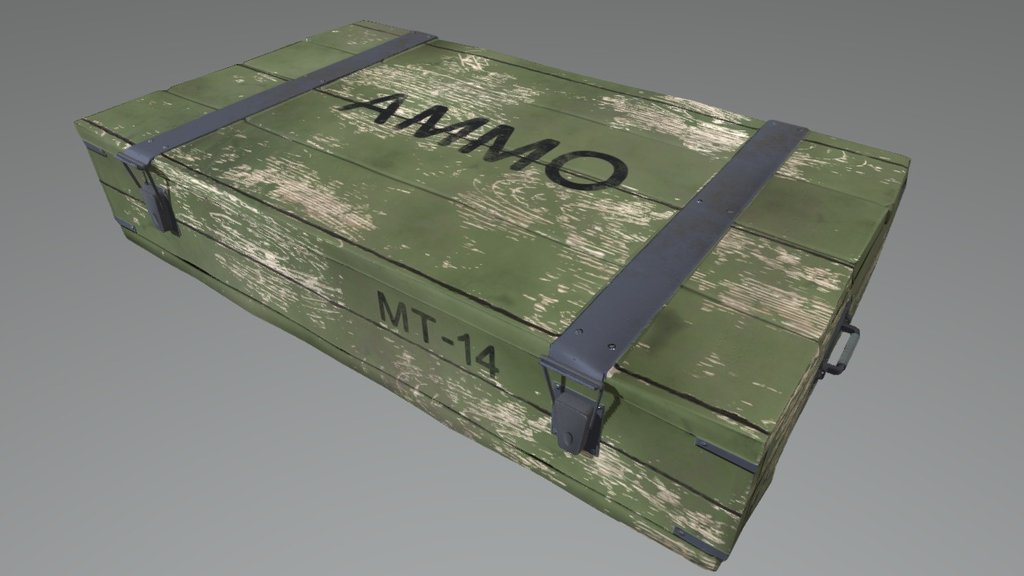
The Hidden Convenience of Fewer Reorder Cycles
Fewer reorder cycles mean your shooting schedule no longer hinges on shipping delays or stock alerts, because a single bulk ammo online order establishes a buffer that absorbs unexpected range days. Fewer reorder cycles also eliminate the mental overhead of tracking round counts against a dwindling stash, letting you grab boxes without calculating “enough for Tuesday.” Each avoided reorder saves the 15–20 minutes of comparing prices and verifying lot numbers, which compounds into hours across a year. The true payoff is that you stop thinking about ammo logistics entirely, treating inventory as a fixed utility rather than a recurring chore.
Hidden convenience: fewer reorder cycles transform ammunition from a constant administrative task into a silent, always-ready resource.
What to Look For in a Reliable Online Ammunition Retailer
When you’re buying bulk ammo online, the first thing to 7mm PRC Ammo for Sale check is whether the retailer clearly lists the ammunition’s lot number and manufacturing date—this helps you avoid inconsistent batches and ensures you know exactly what you’re stacking. A reliable site should also show real-time inventory and a straightforward backorder policy, because nothing’s worse than paying for a case that ships three months late. Look for transparent shipping costs that scale fairly with weight, and confirm they use discreet, sturdy packaging that won’t crush boxes. Read recent customer reviews specifically about bulk orders, not single boxes, to catch issues with quality control on large quantities. Finally, a trustworthy retailer offers a simple return or exchange process for damaged rounds, not just store credit.
A reliable bulk retailer never hides their Ammo Cans & Storage for Sale restocking schedule—if they can’t tell you when a caliber ships, they’re guessing.
Stick with sellers who publish their ammo’s velocity and pressure data, because that’s a sign they actually test what they sell, not just repackage it.
Key Indicators of a Trustworthy Seller: Pricing Transparency and Stock Depth
When buying bulk ammo online, pricing transparency and stock depth are immediate signals of a seller’s integrity. A trustworthy retailer displays per-round and per-case costs clearly, with no hidden shipping or handling specialty sports & supply fees surfacing at checkout. If the final price diverges from the advertised figure, walk away. Likewise, genuine stock depth means the seller lists realistic quantities—not vague “call for availability” placeholders. A deep inventory across calibers and grain weights shows they actually move product, not dropship from uncertain sources. Sellers who show live stock counters or explicit “in stock” thresholds let you gauge order fulfillment speed. Vague inventory and opaque pricing are red flags; precise numbers prove they respect your time and budget. Prioritize retailers who make both metrics unmistakably visible before you commit.

How to Verify You’re Getting Factory-Fresh Cartridges, Not Old Stock
Before committing to a bulk ammo online order, verify the lot number printed on the box and cross-reference it with the manufacturer’s production date—most brands encode the year in the headstamp or label. Ask the retailer directly for the ammo’s manufacturing date and any storage history; a reliable seller will provide this without hesitation. Check the primer and casing for tarnish, corrosion, or faded lacquer, which signal long warehouse dwell time. Also, confirm the packaging is factory-sealed and undamaged, as resealed boxes often hide older stock mixed with new. **Requesting a fresh production run** is your safest move, especially for high-volume calibers. Rotation practices matter: a store that moves high volume is less likely to have dusty shelves.
Q: How can I be certain the bulk ammo I’m buying online isn’t old stock?
A: Demand the lot date in writing, inspect the box for seal integrity upon arrival, and only buy from 5.56 Ammo for Sale retailers who explicitly disclose manufacture dates or offer a turnaround guarantee on inventory.
Understanding Shipping and Handling for Heavy Ammunition Orders
Understanding shipping and handling for heavy ammunition orders is the true test of a reliable bulk ammo online retailer, because weight dictates everything from freight classification to final cost. When you buy bulk ammo online, your per-round savings can evaporate if the shipper applies oversized package surcharges or dimensional weight penalties, so always calculate the landed price per round before checkout. Heavy ammunition orders should always be broken into multiple smaller, evenly-weighted cartons to avoid triggering manual-handling fees and to protect the cardboard integrity during forklift transit. Choose a retailer that offers flat-rate threshold shipping or consolidated pallet delivery, as these models absorb the per-package surcharges that kill value.
Never trust an online cart that quotes shipping at “standard” rates—demand a live quote based on your zip, because heavy ammo orders routinely double or triple in freight cost when they cross regional hubs.
Finally, verify that the carrier allows residential drop-off with a liftgate, or you may face an additional $80–$150 charge just to unload a 500-pound crate from the truck bed.
Why Flat-Rate Shipping Can Make or Break a Bulk Purchase
When you’re buying bulk ammo online, a flat-rate shipping offer is often the single deciding factor between a smart deal and a costly mistake. Because ammunition is heavy and bulky, per-pound carrier fees can quietly add $40, $60, or more to your total, wiping out the per-round savings you thought you were getting. A true flat rate, however, caps that variable cost, so the more cases you add, the lower your effective shipping burden becomes. Yet not all “flat rates” are equal—some apply only to lightweight pistol calibers, while rifle rounds or steel-core loads may trigger a higher tier or a sudden surcharge at checkout. Before you commit, verify the flat rate applies to the exact weight and packaging of your order. If it does, stack your purchase to maximize the benefit; if it doesn’t, that “flat” promise becomes a hidden penalty that breaks the budget. Flat-rate shipping can make or break a bulk purchase because it transforms predictable logistics from a deterrent into a strategic advantage.
How Packaging Affects the Condition of Your Delivered Rounds
Packaging directly dictates the structural integrity of your bulk ammo online order upon arrival. Loose rounds in a thin cardboard box shift violently during transit, causing brass-on-brass contact that can dent case mouths or deform bullet tips, compromising feed reliability. Conversely, proper ammunition packaging with individual tray inserts locks each cartridge in place, preventing friction and impact damage. Consider the sequence: sturdy outer cartons absorb drops, internal foam or dividers isolate layers, and sealed plastic trays protect against moisture-induced corrosion. A crushed corner on the outer box translates to crushed primers inside, while inadequate void fill allows the weight of a 1,000-round case to crush bottom layers. Always verify that the retailer uses compartmentalized trays and double-wall boxes to ensure your rounds arrive functionally pristine, not merely intact.
Comparing Bulk Ammo Options: Factory New vs. Remanufactured Rounds
When buying bulk ammo online, the core comparison between factory new and remanufactured rounds hinges on cost per round versus consistency. Factory new ammunition, loaded to original specifications with fresh brass, offers the most reliable dimensional tolerances and uniform powder charges—critical for precision shooting or defensive practice. Remanufactured rounds, typically assembled from once-fired brass that has been inspected and resized, present a lower price point, making them ideal for high-volume plinking where minor 7.62x54R Ammo for Sale accuracy deviations are acceptable. However, inspect the seller’s sorting standards: reputable remanufacturers reject cracked primer pockets and case-mouth splits, but cheaper outfits may skip these checks. Your firearm’s headspace and chamber tightness will ultimately determine whether the savings justify occasional feeding hiccups or case separations. For mixed-use inventory, a split order—factory new for your primary defensive caliber and remanufactured for range-only drills—often delivers the best balance of safety and value.
What to Expect From Quality-Checked Reloads and Their Considerable Savings
Quality-checked reloads deliver factory-comparable reliability because each round passes case inspection, primer seating, and powder-weight verification before packaging. Expect consistent velocity and cartridge dimensions, which minimizes feeding and extraction failures in semi-automatic platforms. The considerable savings from remanufactured ammunition typically range between 20–40% under new brass, making them ideal for high-volume practice, zeroing, and drills. While not matching match-grade precision, group sizes usually stay within 1.5–2 inches at 100 yards from a rested rifle.
Q: What performance variance should you expect from quality-checked reloads?
A: Negligible—most reputable remanufacturers hold to 0.001-inch case-length tolerances and weigh each powder charge, so muzzle velocity spread stays under 20 fps, preserving your sight-in data across bulk orders.

When to Stick With Factory Loads Over Budget-Friendly Alternatives
Stick with factory loads when the round feeds through a firearm you depend on for defense, competition, or zeroing optics—remanufactured savings mean nothing if a loose primer or inconsistent charge costs you a match or worse. If your rifle is finicky with case length or your pistol prefers hot pressure curves, budget alternatives amplify those quirks. Also, choose factory when you’re testing a new gun’s accuracy baseline; you need a controlled variable before introducing cheaper variables. Factory loads guarantee consistent headspace and powder burn, which is non-negotiable for load development or carry ammo.
Q: When should I refuse remanufactured rounds in favor of factory loads?
A: Always refuse them for defensive carry, precision zeroing, or any firearm under warranty—manufacturers often void claims after fired remanufactured cases, leaving you on the hook for damage.
Calculating Your Exact Ammo Needs Before You Click “Checkout”
Before finalizing a bulk ammo online order, calculate your exact needs by auditing your firearms’ round counts per range session, your monthly training frequency, and your preferred reserve buffer. Multiply the number of guns you shoot by the rounds each consumes, then add a 10–20% safety margin for malfunctions, sighting-in, or unplanned practice. Compare this total against the case quantities (e.g., 500 or 1,000 rounds) offered by the retailer, since buying a full case often avoids per-box fees and reduces per-round cost—but only if you’ll actually use it. Calculating your exact ammo needs prevents overstocking calibers you shoot rarely or underbuying and facing a second shipping charge. .17 HMR Ammo for Sale
Always reconcile your projected monthly usage with the shelf life of the bullet type (e.g., brass vs. steel) to avoid tying cash in degraded inventory.
Input the final round count into the quantity field, and verify the total weight against your storage space and shipping threshold before checkout.
Simple Math for Estimating Monthly or Annual Round Consumption
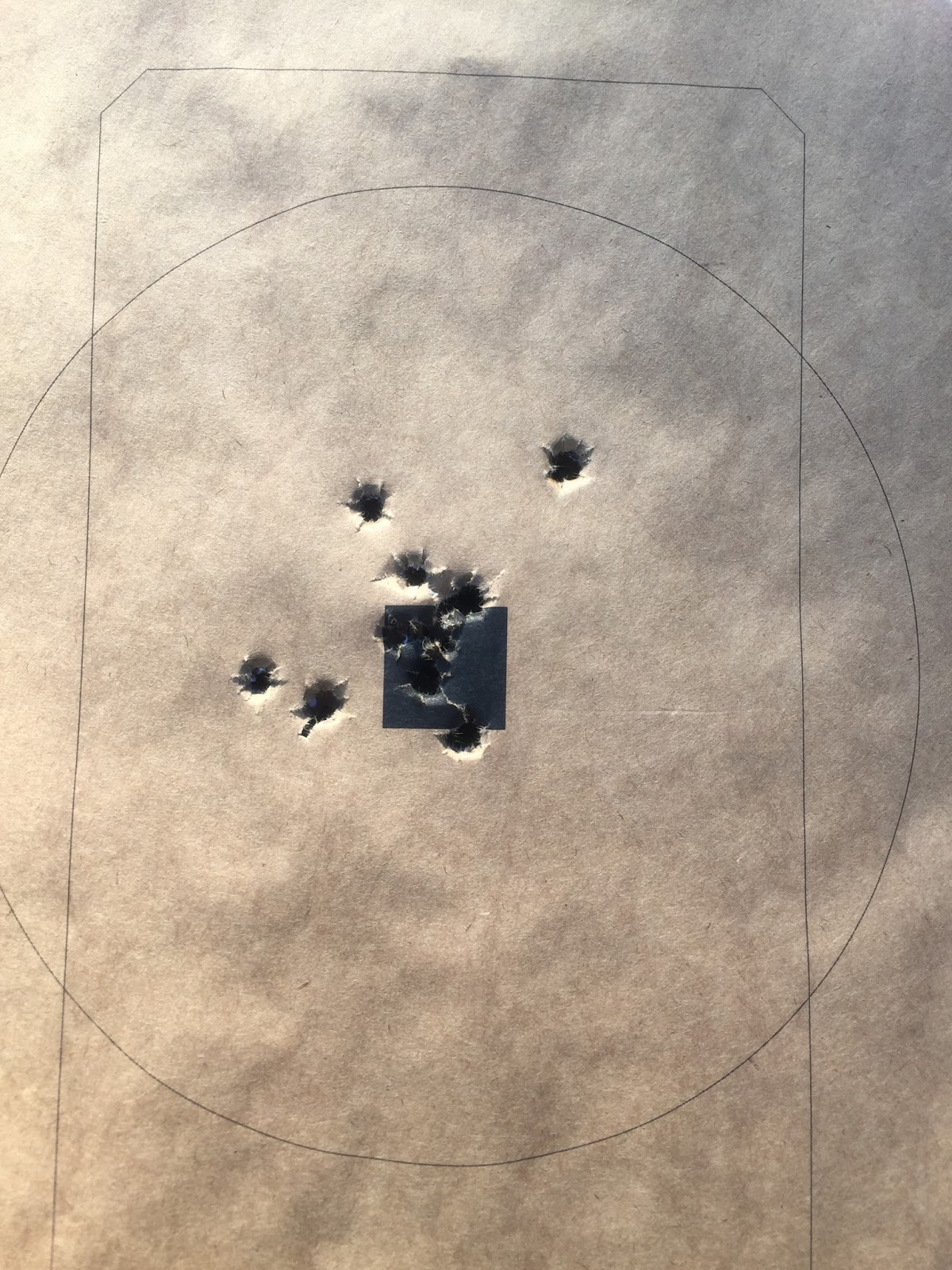
To nail your bulk ammo order, start with the simplest math: multiply your average rounds per range trip by how many times you shoot each month. If you burn 150 rounds every Saturday, that’s 600 monthly—or 7,200 annually. For dry-fire drills or competition practice, add a separate category, like 50 rounds weekly for reload drills, then multiply by 4.3 weeks. Estimating monthly or annual round consumption gets sharper when you track three months of actual usage, not guesses. Here’s the quick sequence:
- Count rounds fired per session
- Multiply by weekly sessions
- Multiply by 12 for an annual target
- Add 10% buffer for spontaneous range days
Round up to the nearest box size—that surplus becomes your safety margin for bulk pricing.
How to Balance Storage Space Against Buying Larger Quantities for Better Rates
When you’re eyeing bulk ammo online, the per-round savings of huge cases can be tempting, but your shelves and floor space need a reality check. Start by measuring your available storage in cubic feet, then calculate how many boxes of that specific caliber fit comfortably without stacking to the ceiling where humidity might creep in. Finding your personal bulk ammo quantity sweet spot means comparing the price break at 500 rounds versus 1,000, then asking if that extra 30% savings is worth sacrificing room you’d rather use for other gear. *If you only shoot occasionally, the slower turnover could mean your “deal” sits there for years, tying up both cash and space.* Always leave a buffer for future calibers you might want, and weigh the cost of an additional safe or airtight bin against the discount—sometimes the smaller bulk pack is the smarter trade-off.
Common Mistakes First-Time Buyers Make With Large Ammunition Purchases

First-time buyers often mistake bulk ammo online for a simple price-per-round win, then overlook the crippling cost of shipping and hazmat fees that silently double their invoice. They also fail to check the ammo grain weight and velocity against their firearm’s twist rate, ending up with a pallet of rounds that keyhole or fail to cycle. Another common error is ignoring ammo storage needs—buying 5,000 rounds without humidity-controlled containers leads to corroded primers and misfires. Finally, they neglect to verify the seller’s return policy on damaged or mislabeled ammunition, assuming all bulk lots are identical. The confident move is to compare total delivered cost, confirm ballistic specs, and only then commit to a case that your gun actually shoots well.
Overlooking the Fine Print on Grain Weight and Bullet Type
When buying bulk ammo online, overlooking the fine print on grain weight and bullet type is a costly error. A 55-grain vs. 62-grain load may shift your point of impact dramatically, and using a full metal jacket (FMJ) when your firearm demands a soft point can cause feeding failures. Always match the bullet profile and grain to your rifle’s twist rate and intended purpose. The fine print often lists “remanufactured” or “open-tip” variants that differ from your zeroing load, so verify the exact part number. Otherwise, you risk wasting hundreds of rounds on ammunition that won’t group or function reliably.
- Check the grain (e.g., 115gr vs. 124gr) against your barrel’s twist rate for stability.
- Confirm the bullet tip (FMJ, JHP, or OTM) is compatible with your magazine and chamber throat.
- Look for “new” vs. “pulled” bullets in the description to avoid inconsistent seating depth.
Why Ignoring Local Range Rules on Ammo Types Can Waste Your Investment
Buying bulk ammo online locks you into a serious financial commitment, but if you haven’t verified your range’s rules on ammunition types first, you’re setting money on fire. Many facilities prohibit steel-core, armor-piercing, or even certain grain weights, and that 1,000-round case you scored at a discount becomes useless the moment you arrive at the gate. You cannot return opened boxes, and reselling at a loss is your only option. Ignoring local range rules on ammo types turns a smart bulk purchase into a costly, unusable pile of inventory. Before you click checkout, call your range, confirm allowed calibers and projectile materials, and match your order to their exact policy.
- Steel-core or bimetal jacketed rounds are banned at many indoor ranges due to backstop damage, leaving you with 7.62×51 Ammo for Sale zero legal firing locations.
- High-velocity or +P loads may be restricted, so your bulk purchase could violate range capacity limits and void your membership.
- Non-magnetic ammo rules require a magnet test on every box, and 7.62×39 Ammo for Sale failing that test means your bulk investment is permanently shelved.
- Your bulk order’s packaging is non-refundable once opened, 5.7x28mm Ammo for Sale so a single overlooked rule can wipe out your entire savings.